
Insulation Installation
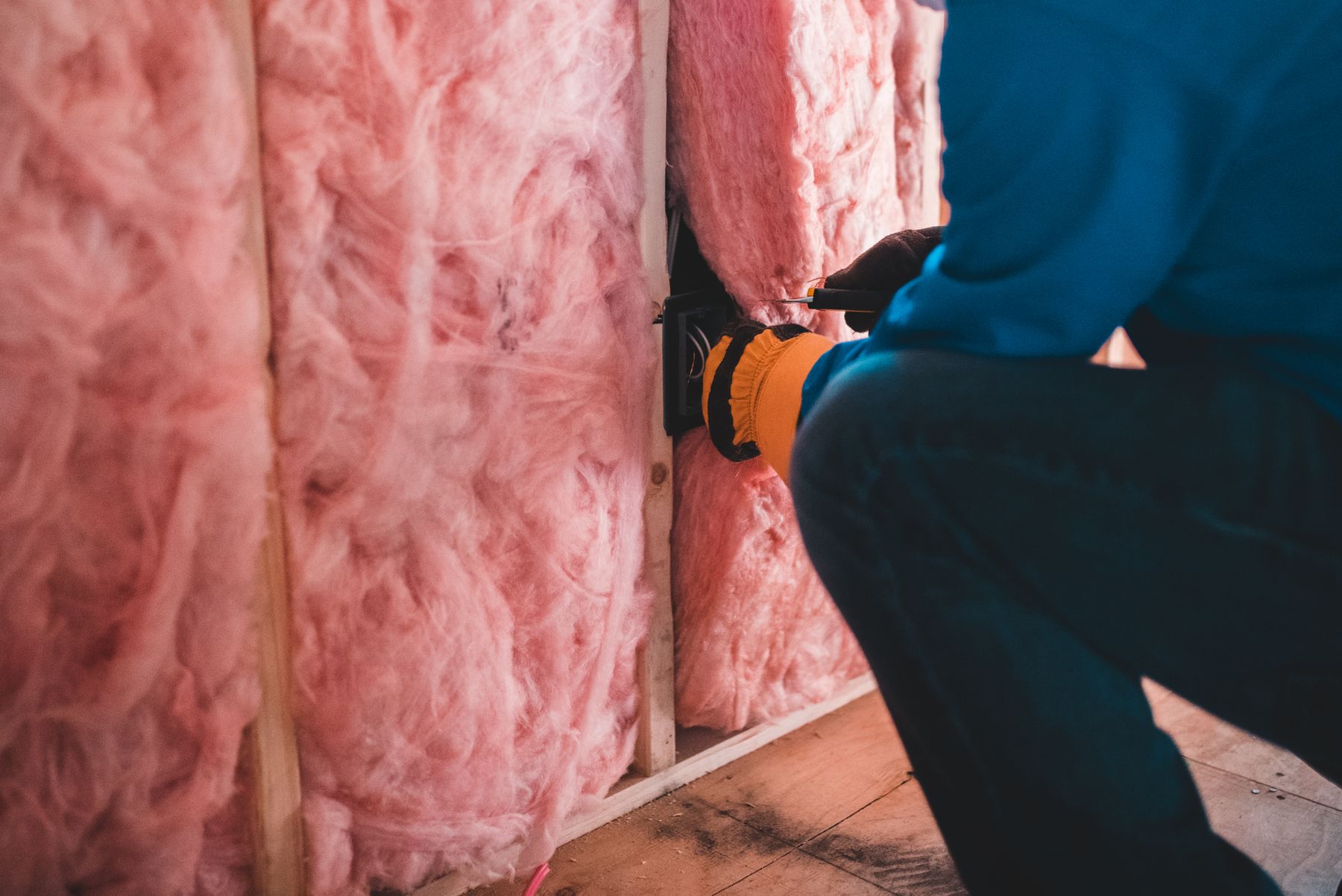
Remove what is compacted or contaminated, air-seal the ceiling plane and reinstall to the depth your home actually needs.
See this serviceA reflective layer under the roof deck that turns back the sun's radiant heat before it ever reaches your ceiling.
Radiant Barrier Installation
What is a radiant barrier and why does your home need it? In places with a beaming sun and regularly warm temperatures — like Southern California — a radiant barrier is a straightforward way to keep your home cool and your energy costs low.
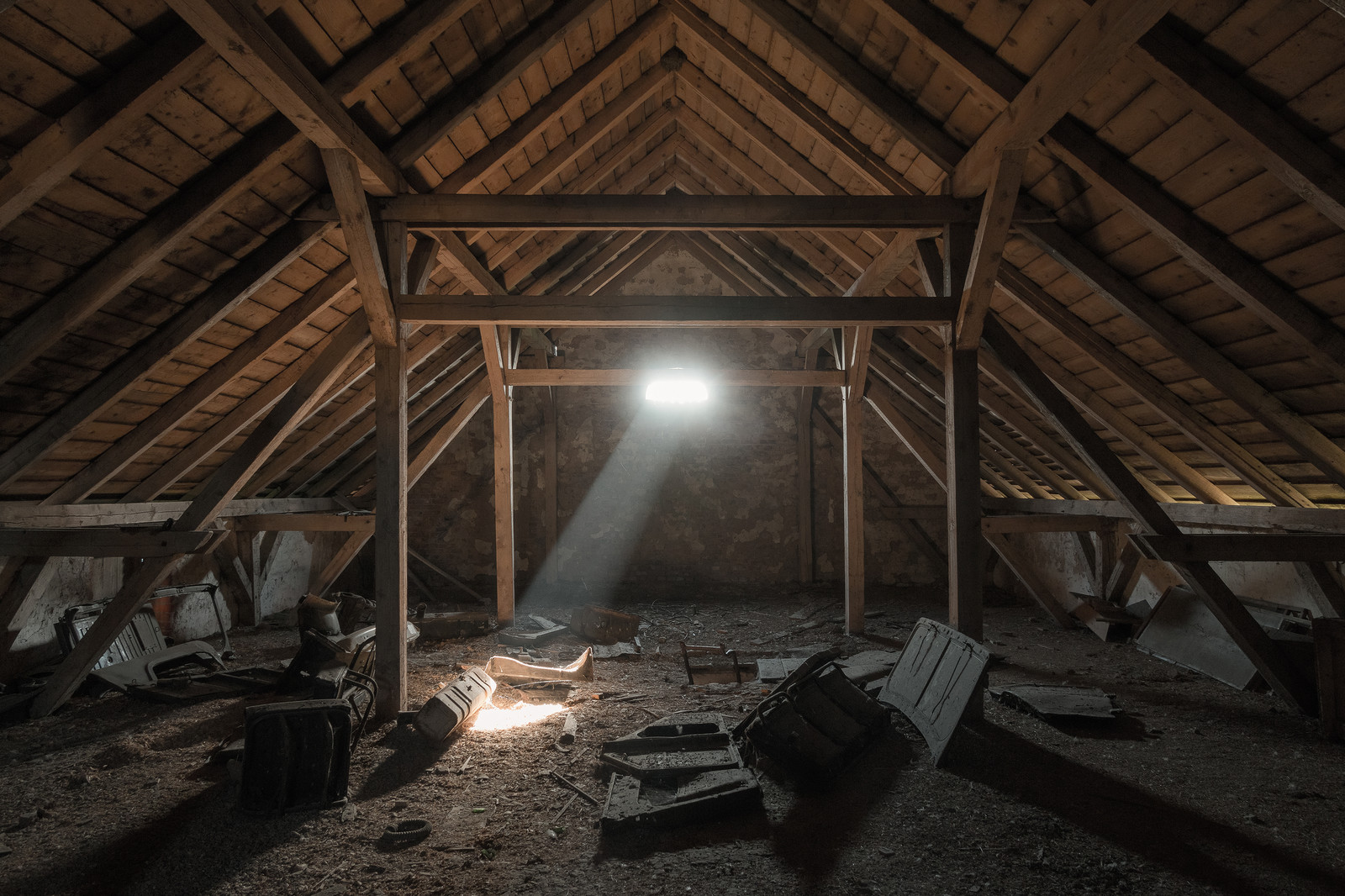
When the sun's rays reach your roof they radiate into the material beneath the surface — your home's wooden structural frame. From there the heat warms the air around the framing, travels through your ceiling and into your living space.
This is radiant heat, and insulation alone is not designed to stop it. Insulation slows conduction; a radiant barrier addresses radiation. In a climate like ours the two do different jobs, and doing only one leaves the other pathway wide open.
The materials Attic Heroes uses stop the heat from traveling across your ceiling by absorbing and reflecting the radiant energy of the sun, trapping the heat before it enters your home.
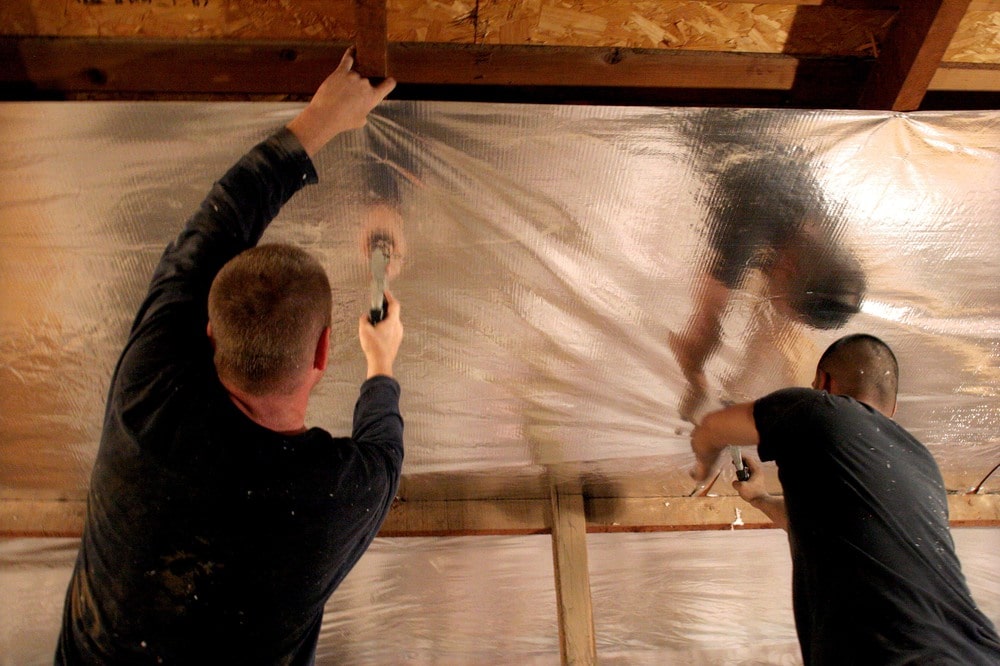
Installed correctly, a radiant barrier reflects up to 97% of the sun's radiant heat away from your living space. That keeps attic temperatures down, keeps the ducts running through that attic from being cooked, and takes load off the air conditioner that was compensating for all of it.
A radiant barrier only works with an air space facing the reflective side, and it stops working entirely when it is covered in dust or laid directly on top of insulation. It has to be installed against the underside of the roof deck, running with the rafters, with the eave and ridge ventilation left clear.
We install it that way and we leave your soffit vents and ridge working, because an attic that cannot breathe trades a heat problem for a moisture problem.
Signs you need this
Frequent questions
No. They address different kinds of heat transfer. In San Diego the pair works better than either alone, and we quote them so you can see what each one contributes.
That is the reflectivity of the foil-faced material when it is installed with a clear air space facing the reflective side and kept free of dust. Installation is what preserves it, which is why we detail it the way we do.
Most vented attics with accessible rafters, yes. Sealed or spray-foamed roof assemblies and very low-clearance attics are different situations and we will say so during the evaluation.
Related services
Remove what is compacted or contaminated, air-seal the ceiling plane and reinstall to the depth your home actually needs.
See this serviceFull removal of contaminated material, sanitation of the space and a written and photographic report before and after.
See this serviceLeaking, crushed or disconnected ducts waste the air you paid to condition and carry attic dust into your rooms.
See this serviceContact us today and discover how we can make your projects a reality. Our team of experts is at your disposal to answer all your questions and offer personalized solutions.