

Insulation
Blown-in or batts: which one belongs in your attic
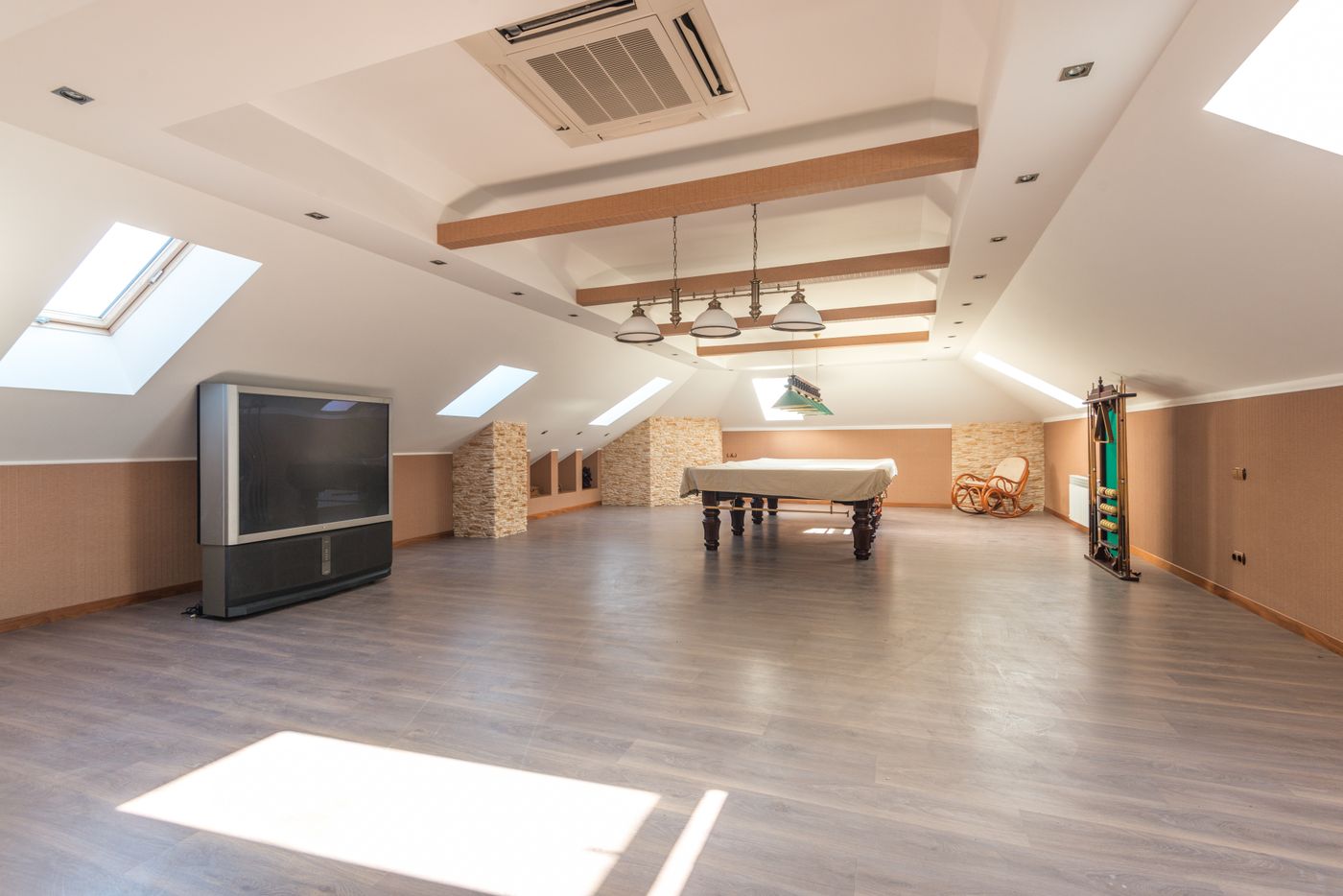
Both products work. Both come in fibreglass and in cellulose. Both carry R-value charts on the packaging. The reason one of them ends up in your attic and the other does not has almost nothing to do with the material and almost everything to do with what the space looks like.
The enemy is the gap, not the R-value
Insulation performance falls off far faster than most people expect when coverage is incomplete. A small percentage of the ceiling area left bare does disproportionate damage, because heat takes the easiest path available and a gap is a much easier path than an R-38 blanket.
So the practical question for any attic is: which product can this crew install here with no gaps? That is it. That is the whole decision.
Where blown-in wins
- Irregular attic floors. Framing that changes direction, old ceiling joists at odd spacing, added rooms with different construction: loose fill simply fills what is there.
- Around obstructions. Wiring runs, junction boxes, plumbing stacks, bracing and duct straps all create shapes a rigid batt cannot follow. Blown material flows around them.
- Getting to the eaves. The far edge of an attic is where the roof deck meets the top plate and where a person cannot fit. A blowing hose reaches where a body does not.
- Topping up existing material. Where the existing insulation is clean and dry and just thin, blown fill adds depth without disturbing what is there.
Where batts win
- Regular, accessible cavities. A knee wall, a floored attic section, a garage ceiling with consistent framing at standard spacing.
- Vertical and sloped surfaces. Loose fill does not stay on a vertical face. Batts, held in place, do.
- Where the space has to stay usable. If part of the attic is going to be walked on or used for storage, loose fill in that zone will simply be compacted into uselessness.
- Where a specific assembly is specified. Some rated or engineered assemblies call for a particular batt product and installation, and substituting is not an option.
Most attics get both
That is the answer nobody puts on a brochure. The open attic floor takes blown fill for coverage; the knee wall, the hatch cover and the sloped section take batts because loose fill will not stay there. Deciding by product loyalty instead of by geometry is how attics end up with either bare vertical faces or a compacted, useless floor.
What does not change either way
Air sealing first, baffles at the eaves so the soffit vents keep breathing, depth markers so the result can be verified, and the attic hatch itself insulated and weatherstripped. Those four steps matter more than the choice between the two products, and they are the four most often skipped.
Not sure what is up there? We measure, photograph and tell you, free. (619) 777-7021.
Related services
Insulation Installation
Remove what is compacted or contaminated, air-seal the ceiling plane and reinstall to the depth your home actually needs.
See this service